



Blog / Oil

Everything You Need to Know About an Oil Change for Your GMC

Everything You Need to Know About an Oil Change for Your GMC 

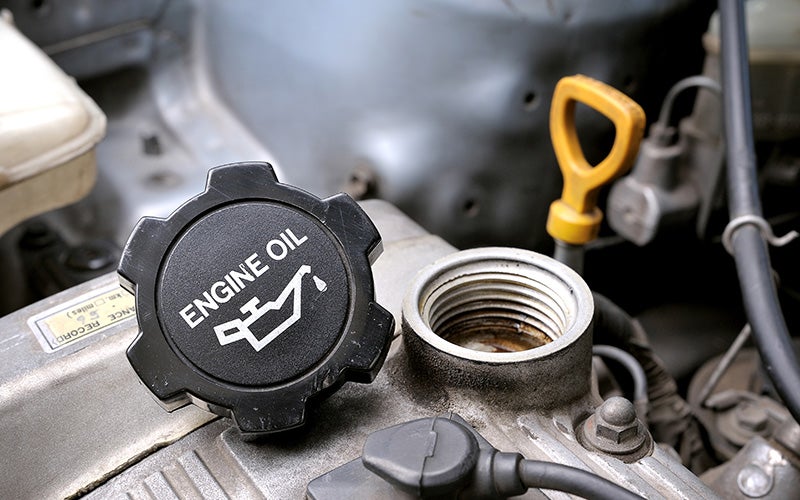
A simple oil change stands as the most critical maintenance task to keep your GMC running smoothly. Drivers of a Sierra 1500, a Yukon, or a Terrain protect their engines and avoid costly repairs by maintaining this essential service. The team at Haggerty Buick GMC in Villa Park, IL, is ready to answer your maintenance questions and deliver expert care. We encourage you to review this guide and reach out to our service center to ensure your vehicle remains safe and reliable on the road. 

Why Oil Changes Are Necessary 

Engine oil degrades over time. It breaks down and accumulates dirt, metal particles, and combustion byproducts. This contamination severely limits the ability of the oil to protect your engine. Skipping oil changes causes premature engine wear and leads to serious and expensive damage if left unaddressed. 

What Oil Does in Your Vehicle 

Oil performs several critical functions to preserve your engine. It lubricates moving metal parts to reduce friction, cools components beyond the reach of the standard cooling system, and carries debris away from sensitive areas to the filter. Without clean oil circulation, metal parts grind together and deteriorate rapidly. 

How Often to Change Your Oil 

Service frequency depends on your oil type and driving habits. Modern GMC vehicles utilizing full synthetic oil typically travel between 7,500 and 10,000 miles between changes. Vehicles using conventional oil require changes every 3,000 to 5,000 miles. Consult your owner's manual or the built-in GMC oil life monitoring system. This technology tracks real driving conditions and alerts you when a change is necessary. 

What to Do If Your Oil Light Is On 

Never ignore an illuminated oil light. This warning indicates low oil pressure or a low oil level, which are both serious concerns. Pull over safely and turn off the engine immediately. Check the dipstick and add the appropriate fluid if the level is low. Schedule a service appointment promptly if the light remains on after topping off the oil. Continuing to drive with an active oil warning causes significant engine damage. 

Types of Oil to Consider 

Drivers choose between three main oil types: conventional, synthetic blend, and full synthetic. Conventional oil works well for older engines. A synthetic blend mixes conventional and synthetic bases for a balanced option. Full synthetic oil provides the highest level of protection, performs optimally in extreme temperatures, and lasts longer. Newer GMC models require full synthetic oil, so verify the correct fluid in your owner's manual. 

Schedule Your Oil Change in Villa Park, IL 

Drivers throughout the area rely on Haggerty Buick GMC in Villa Park, IL, for expert maintenance performed by trained technicians. Staying ahead of your service schedule serves as the simplest way to protect your investment. Stop by our service center or schedule your next appointment online today. 
Posted in:

Related Posts

Your Brake System FAQ: Components, Controls, and Warning Signs 

Your Brakes FAQ: Components, Controls, and Warning Signs

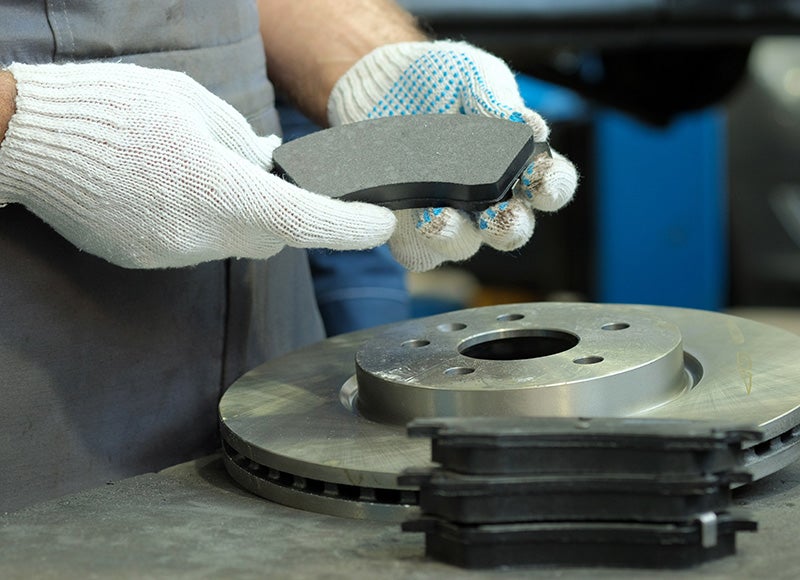
Your brakes are made up of several parts that work together to bring your vehicle to a safe stop. Understanding these components can help you recognize when something is not quite right. The major parts include brake pads, rotors, calipers, brake lines, and the master cylinder. Each plays a specific role, and a failure in any one of them can affect how well your brakes perform overall. Keep reading as we answer the most common questions about brakes for drivers in Villa Park, Illinois. What Do Brake Pads Do? Brake pads are the friction material that clamps against the rotor to slow your vehicle. They are one of the most frequently replaced components in the brake system. Over time, the pad material wears down, which is why regular inspections are so important. Most pads include a small metal tab called a wear indicator that produces a high-pitched squealing sound when the pads are getting thin and need attention. more What Is a Brake Rotor? The rotor - also called a brake disc - is the large, flat metal disc attached to your wheel hub. When you press the brake pedal, the calipers squeeze the pads against the rotor to create friction and reduce speed. Rotors can warp or develop grooves over time, especially if worn pads are not replaced promptly. A pulsating or vibrating pedal is often a sign of rotor issues. What Does the Brake Caliper Do? The caliper is the hydraulic clamp that holds the brake pads and presses them against the rotor when you apply the brakes. If a caliper sticks or seizes, it can cause uneven braking, pulling to one side, or accelerated wear on one set of pads. Calipers are a critical control component and should be inspected regularly as part of routine service. What Is the Master Cylinder and How Does It Control Braking? The master cylinder is the heart of your hydraulic brake system. When you press the pedal, the master cylinder converts that physical force into hydraulic pressure, which travels through the lines to activate the calipers at each wheel. Brake fluid fills this system and must be maintained at the correct level. If the fluid is low or contaminated, braking performance can suffer significantly. What Are the Signs of Failing Brakes? Knowing the warning signs of brake problems is one of the most important things for drivers to know. Watch for these indicators: a squealing or grinding noise when braking, a soft or spongy pedal, the vehicle pulling to one side, a burning smell after driving, or the warning light appearing on your dashboard. If you notice any of these symptoms, it is best to have your brakes inspected as soon as possible. How Often Should Brakes Be Inspected? Brake wear varies depending on your driving habits, vehicle type, and road conditions. As a general guideline, most technicians recommend having your brakes checked at least once a year or every 12,000 miles. Drivers who frequently navigate stop-and-go traffic may experience faster wear and should schedule inspections more regularly. Visit Haggerty Buick GMC for Brake Service If you have a specific question about your brakes or just want to make sure the system is in good shape, the team at Haggerty Buick GMC is here to help. Serving drivers throughout Villa Park, Illinois, our certified technicians can inspect, diagnose, and service your brake system using genuine GM parts. Visit us or schedule your service appointment online today.